It’s been bit, JStroke is back with some river rankings. Fresh off the latest tour of the Au Sable River, time to reminisce about the past rivers in the Chupacabra tour of the Mid-West.

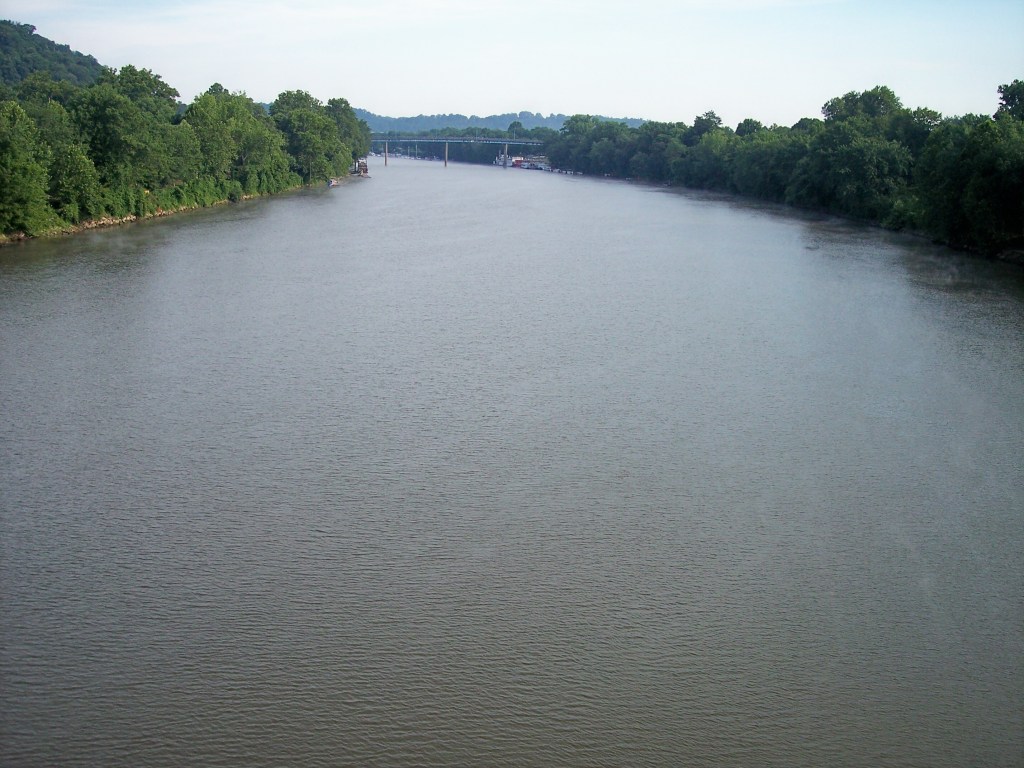
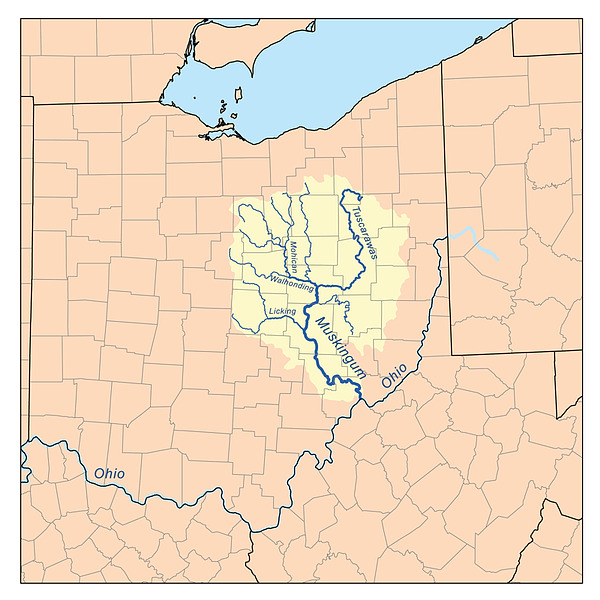
This episode focuses on the Muskingum River in southeastern Ohio. For the fledgling Chupacabra, the Muskingum represents the first river excursion in our home state. After a few rounds in the Allegheny and Clarion, the Chupacabra looked forward to a river closer to home. The Allegheny is where the group learned how to camp; the Clarion teaching us the worth of a drybag and introduced us to MilkMan’s most famous quote – “the canoes are gone, burn all the gear!”. Drawing us to the Muskingum was the added experience of having to “shoot the lock” over the various dams on the Muskingum. Usually a modest cost to “lock through”, on Father’s Day 2015, the cost was reduced to zero; this made the experience not only unique but friendly to the Chupacabra Canoe treasury. Researching for this article I found that there is no fee for recreational boats (for some reason I thought we got around the fee when we paddled the Muskingum).
As with all ratings, please take my rating for what it is… not a recommendation or condemnation of a river, but my experience as a prodigiuoss paddler in an XStream canoe ensemble. I do my best to provide the good and the not so good.
Let’s talk water. As with many dammed rivers, the flow of the Muskingum is about at the speed of a lazy river ride at your local water park. At this pace, with a loaded down canoe packed for many days on the river, the paddling is constant and produces little momentum on the river. This makes any “Dead Weight” in the canoe even more apparent than on another river that maintains a modest flow. If you wish to make any distance in a day, be sure you have two able paddlers in the canoe. Takeaway: the water is slow.

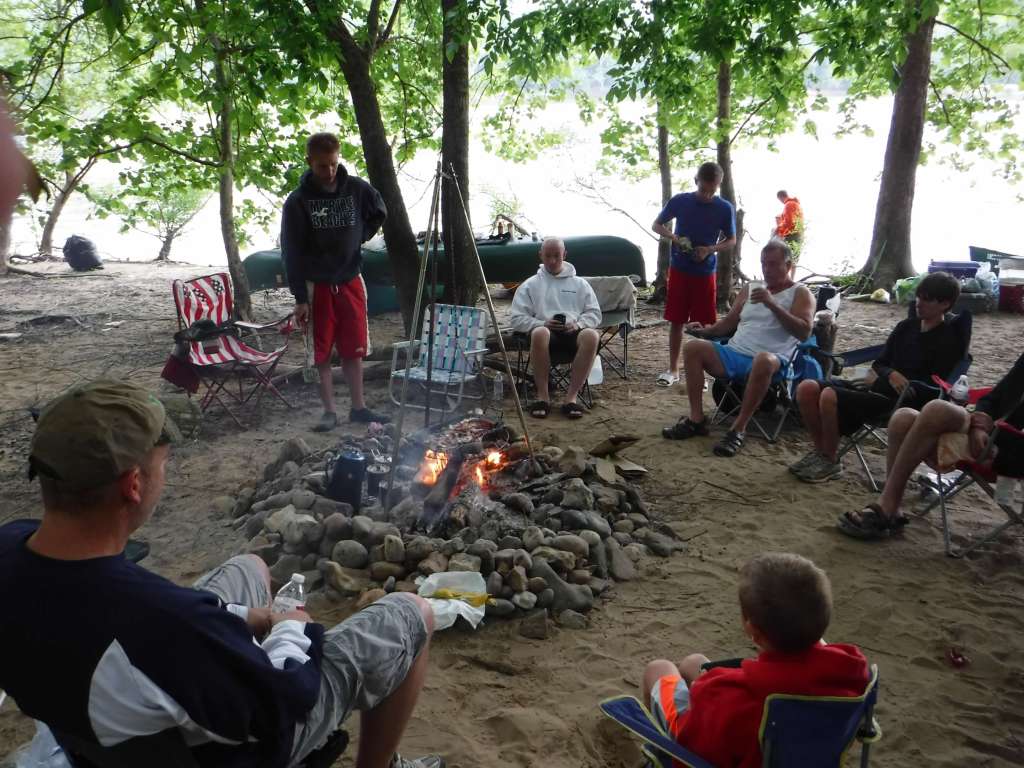
What about camping? This was a positive for the Muskingum as camping was available along the river at the various lock points; we stopped at three points during our trip. Each of the lock points are state parks offering primitive camping. Getting in touch with a primal mindset is an unspoken facet of the Chupacabra, so this was welcomed! Also, the cost is free, so again, the Treasury is smiling. In most cases, the lock is within walking distance of a town or perhaps convenience store which are ideal re-stock points. We stopped a few times to re-stock beverages and chips (see my article on “Canoe Trip Culinary Phenomenon” about chips on the river). Back to the camping, be mindful though as the state park at the lock isn’t huge. Chupacabra groups are probably larger than most, and we managed well, although we may have been a bit liberal on the area encompassing the state park. (The sentence above marks the only instance that “liberal” and the Chupacabra has been used together; Grumman is probably swearing right now). Takeaway: Camping is good but note the limitation on area available for camping.
Finally, what about the experience of the locks? “Shooting the locks” or “locking through” is a unique experience in a canoe, a craft significantly smaller than those designed to go through the locks. The lock looks somewhat small compared to the river on a map or overhead view. But in a sixteen-foot canoe, the lock is imposing.

The doors must be ten to fifteen feet above the water line and are at least a foot thick if not more. Locking through takes some time to have the massive wood doors close, then the rise or fall of the water level, followed by the opening of the downstream doors and the expanse of river in front of you.
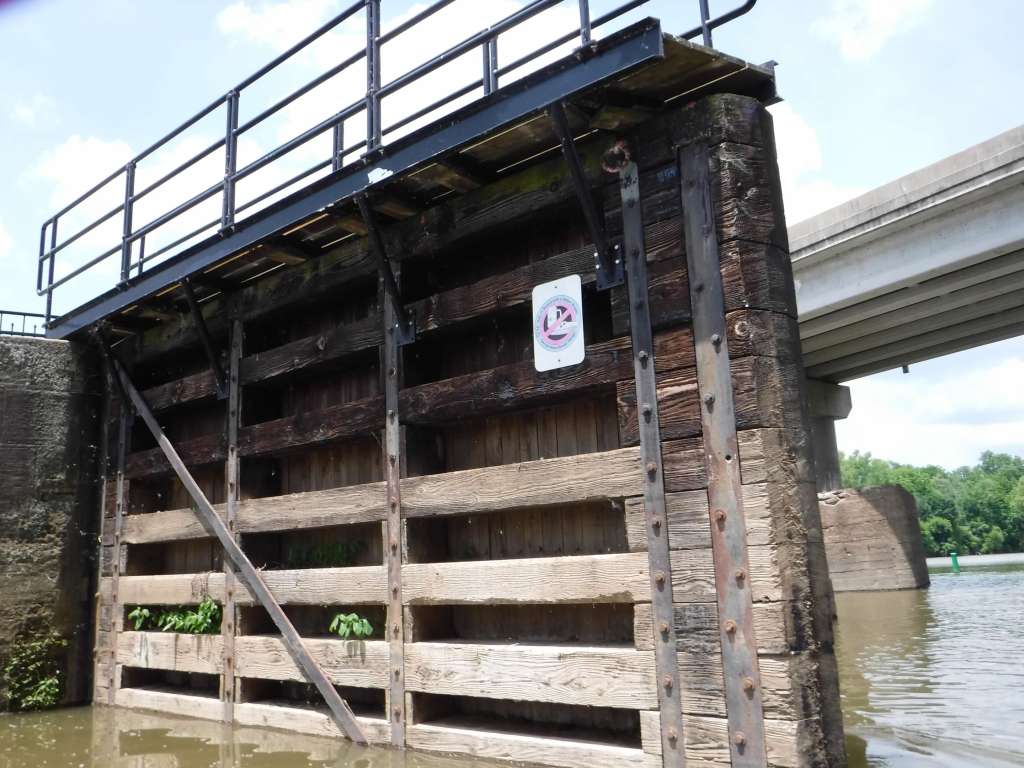
Seeing the level of water change is slow but steady, and impressive as you are roped to the various anchor points on the algae covered stone walls of the lock.
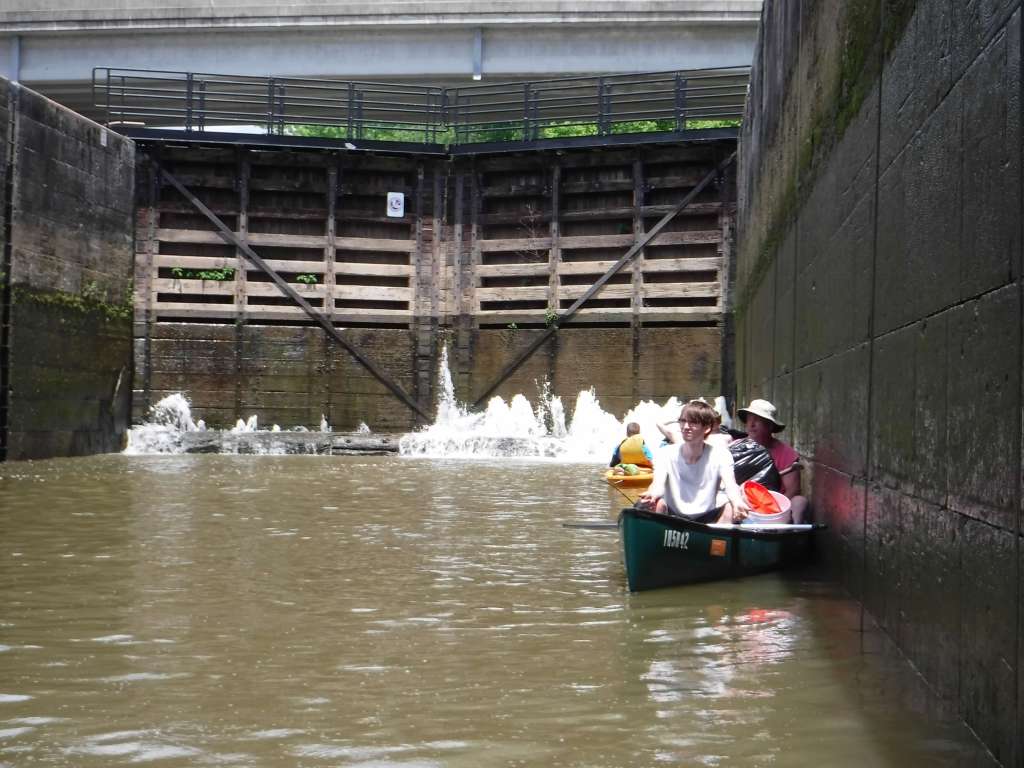
During this time, I chose to close my eyes and think of the mid 1800s as canal boats and river transport on the Muskingum were at an apex. Sure, I romanticized it in my mind. However, I couldn’t romanticize the smell, but I will get to that later. Following the lock operation, the canoes raced to the exit and the next leg of the river. Takeaway: the lock operation is something to experience.
A few notes about the locks. First, the locks are manually operated as they have been from their installation. Local lore claims that the lockkeepers are unionized; I can’t verify the claim (I looked for about 5 minutes). Watching the keeper display his duties hasn’t changed in operation. Each operator was aware and alert to our approach and was friendly in instructing the group the procedure for “locking through”. Although the operation hasn’t changed, I am sure OSHA and regulations have changed the role a bit. A bit of Chupacabra lore is the picture rather plump lock operator who appeared to be wearing a life vest from his days as a much thinner adolescent. We are left to wonder how effective it would be. Was he making a subtle comment to the life-vest requirement or is the union slack in getting the allocation of funds for proper fitting equipment? We didn’t explore the topic.

Secondly, remember my comment about the tortoise like flow of the river? Well, the water in the locks moves even less (in hindsight, it was an aspect I didn’t know I should know). What we experienced while the lock was operating was a carnival for the senses. And not one of those happy carnivals where kids eat some cotton candy and throw a ping pong ball in a bowl to win a pet goldfish. No, this is the carnival where the bearded lady is gutting a fish, and the dwarf Siamese twins are throwing knives at the horse-legged beauty. You can get funnel cakes at either one. Scary I know! The walls of the lock are coated with an algae slime which forces your hand to stay in the boat at all costs. Being forced to tie off the canoe to an anchor point on the wall leaves each canoe with a “rock / paper / scissors” moment as to which paddler will be the lucky person to touch the wall to tie the knot. The water surface inside the lock is covered with a thick blanket of dust, pollen, and other pleasantries. The film is thick like the filth on the coffee cup your co-worker left behind your computer monitor after 6 months. The coating is only broken by the canoes in the water or the occasional breach by the several dead fish coming from the depths. This brings the sights in the lock closer to the stench – breath through your mouth! I won’t comment on the sense of taste, I didn’t get that pleasure, but I am sure there is a certain umami to anything associated with the lock.
So enough of the details, what’s the JStroke rating of the Muskingum? In a couple of words, not great. While unique with the locks, the exposure to the Muskingum in a canoe doesn’t make me want to go back. Tally your experience with the locks and move on. I rate the Muskingum River last on the Chupacabra experience. It just isn’t the up to the speed of the Xstream canoeist.
Check back again for additional ratings and happy paddling!
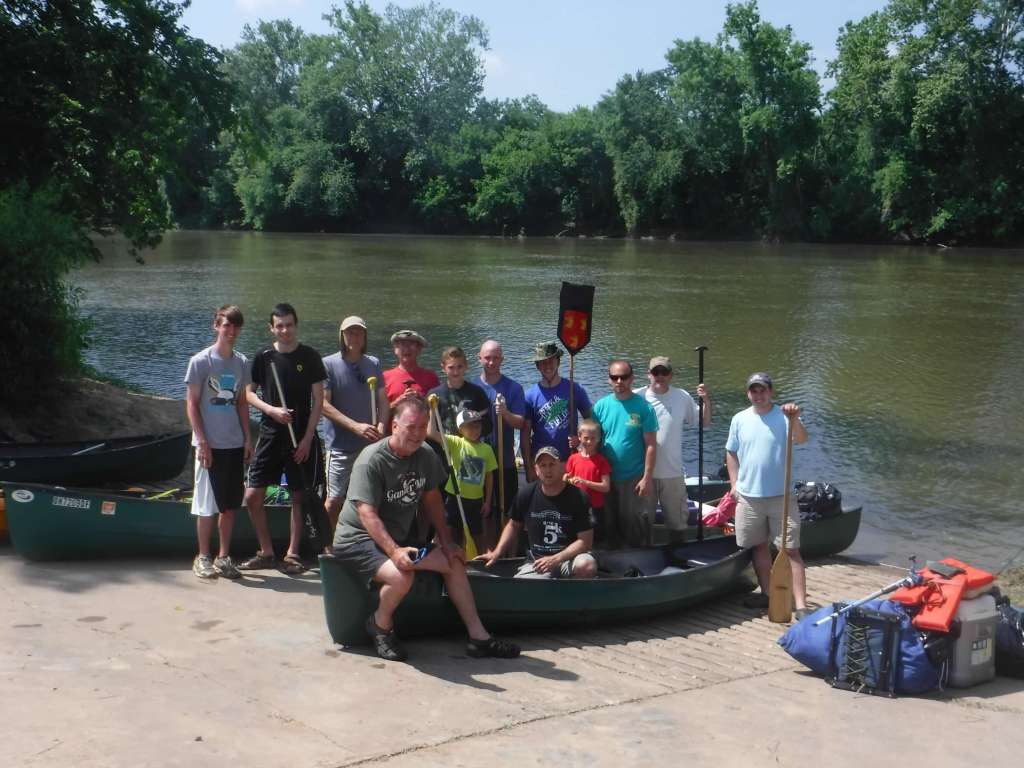
J Stroke.


 Chupacabra Canoe
Leave a comment